Why Your Competitors Are Beating You (And How to Fix It)
Your competitors aren’t necessarily smarter than you. They just figured out something you haven’t yet.
I’ve audited over 200 websites in the past three years, and here’s what I see repeatedly: businesses spending months building features their customers don’t want, while their competitors quietly dominate with simple solutions that actually work. The difference? They’re not guessing. They’re copying what already works.
This isn’t about plagiarism. It’s about competitive intelligence. Every successful feature on your competitor’s website represents market validation — real users voting with their clicks and wallets. Smart entrepreneurs reverse-engineer these wins instead of reinventing the wheel.
The 15-Minute Competitor Website Performance Audit
Start with their homepage. Load it on your phone and desktop. Time how long it takes.
Anything over 3 seconds? They’re losing customers. Under 2 seconds? Take notes on their hosting setup, image optimization, and code structure. I use Chrome DevTools (F12 → Network tab) to see exactly what’s loading and how fast.
Check their Core Web Vitals with Google’s PageSpeed Insights. Input their URL and compare their scores to yours. Most small businesses ignore these metrics entirely, which means a 10-point improvement puts you ahead of 70% of your competition.
The Mobile-First Reality Check
Switch your browser to mobile view (F12 → Device Toolbar). Navigate their site like a real customer would. Can you complete their main conversion action — buy something, book a call, sign up — in under 60 seconds?
I recently worked with a consultant who was losing leads to a competitor with an objectively worse service. The difference? Their competitor’s contact form worked perfectly on mobile. My client’s required horizontal scrolling.
Competitor Research Tools That Actually Matter
Skip the expensive enterprise tools for now. Three free options give you 80% of what you need:
SEMrush Free Plan: Shows their top 10 organic keywords and estimated traffic. Look for gaps where they rank but you don’t.
SimilarWeb: Traffic sources, bounce rates, session duration. If their bounce rate is under 40%, they’re doing something right with user experience.
Wayback Machine: See how their site evolved over time. What features did they add during growth periods? What did they remove?
For deeper analysis, I use Ahrefs (paid) to see their complete backlink profile and content strategy. But honestly? Most small businesses can compete effectively with just the free tools and good observation.
The Feature Extraction Process
Don’t just look at what they have. Look at what they emphasize.
Where’s their main call-to-action button? What color, size, text? How many times does it appear on the homepage? A SaaS client of mine increased conversions 34% just by moving their CTA above the fold, copying a competitor’s placement exactly.
Study their navigation structure. How do they organize their services? What language do they use for menu items? If three competitors all use the same terminology for something you call by a different name, consider switching. They might know something about customer language you don’t.
Business Website Optimization Through Competitive Intelligence
Here’s where it gets interesting. Most businesses copy surface-level stuff — colors, layouts, fonts. The real money is in copying functional elements that drive conversions.
Pricing page structure: How do they present their packages? What features do they highlight first? What guarantees or risk-reversals do they offer?
Social proof placement: Where do testimonials appear? How long are they? Do they include photos, company names, specific results?
Content strategy: What blog topics get the most social shares? What lead magnets do they promote? Sign up for their email list and see what onboarding sequence they use.
I once discovered a competitor was using a specific type of exit-intent popup that generated a 12% email capture rate. We implemented a similar popup (different copy, same concept) and saw an immediate 8% improvement in our capture rate.
The Technical Deep Dive
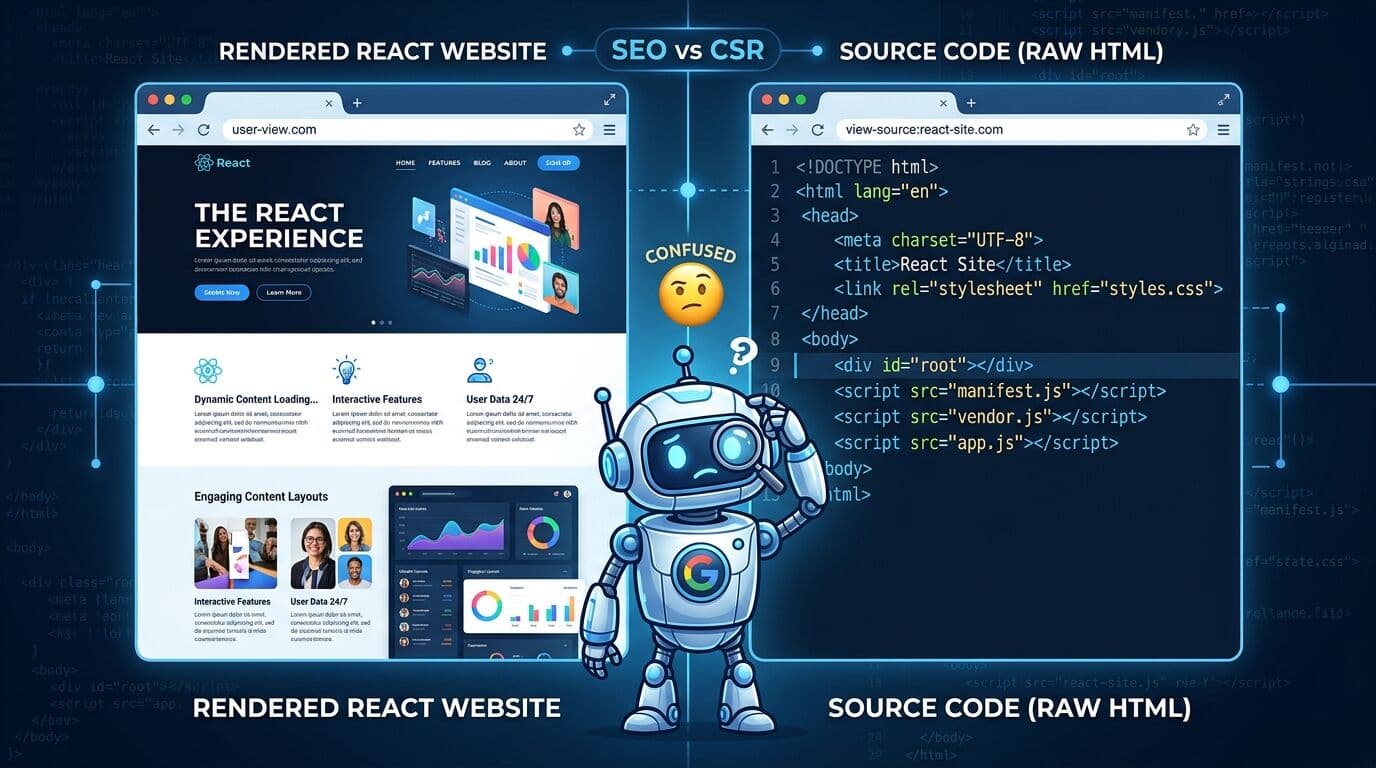
Right-click on their site and “View Page Source.” Look for these technical elements:
- Schema markup (structured data) — this helps search engines understand their content better
- Google Analytics and Facebook Pixel codes — shows what tracking they prioritize
- CDN usage (look for cloudflare, jsdelivr, or similar domains in their resources)
- WordPress plugins or other platform-specific optimizations
Don’t get overwhelmed by the code. You’re looking for patterns and tools you can research and potentially implement.
What Not to Copy (And Why)
Skip the branding elements. Logo, color scheme, specific imagery — this is where legal issues live. Plus, differentiation matters for brand recognition.
Avoid copying their exact copy word-for-word. Google penalizes duplicate content, and customers notice when companies sound identical. Copy the structure and strategy, not the sentences.
Don’t copy features that don’t fit your business model. Just because a competitor has live chat doesn’t mean you need it if you can’t staff it properly. A broken feature is worse than no feature.
Implementation Strategy
Start with the highest-impact, lowest-effort improvements. Usually this means:
- Page speed optimizations (compress images, enable caching)
- Mobile responsiveness fixes
- Call-to-action placement and messaging
- Social proof integration
Test one change at a time. I’ve seen businesses implement five “improvements” simultaneously, see worse results, and have no idea which change caused the problem.
Set up Google Analytics goals before you start. Track the metrics that matter to your business — leads, sales, email signups — not just vanity metrics like page views.
Conclusion
Competitive analysis isn’t industrial espionage. It’s market research. Your competitors are running experiments with real customer feedback every day. Smart entrepreneurs learn from those experiments instead of starting from scratch.
Focus on function over form. Copy what works, ignore what’s purely aesthetic. And remember — by the time you implement their best ideas, you should already be researching what they’re testing next.
Start with one competitor. Audit their site thoroughly. Implement their three best features. Then move to the next competitor. Within six months, you’ll have a website that combines the best elements from your entire industry.
Frequently Asked Questions
How often should I audit my competitors’ websites?
Every quarter for your top 3 competitors, and whenever you notice a significant change in their traffic or rankings. Set up Google Alerts for their company name to catch major updates automatically. Most significant changes happen during product launches, seasonal campaigns, or after funding rounds.
What’s the difference between copying features and stealing intellectual property?
Copy functional concepts, user experience patterns, and content strategies. Don’t copy exact text, images, or proprietary tools. For example, copying their checkout process flow is fine — copying their specific product descriptions word-for-word isn’t. When in doubt, recreate the concept in your own way.
Which competitor research tools are worth paying for?
Start with free tools first. If you’re doing serious competitive analysis monthly, Ahrefs ($99/month) provides the most comprehensive data for SEO and content research. SEMrush is better for PPC analysis. Most small businesses get plenty of value from the free versions plus manual observation.
How do I know if a competitor’s feature is actually successful?
Look for persistence over time. If they’ve kept a feature for 6+ months, it’s probably working. Check if similar features appear across multiple competitors — that suggests market validation. Also monitor their traffic trends in SimilarWeb before and after feature implementations.
Should I copy from direct competitors or adjacent industries?
Both. Direct competitors show you what works in your specific market. Adjacent industries often have innovative solutions you can adapt. E-commerce sites have great conversion optimization ideas for service businesses, and SaaS companies excel at onboarding sequences that consultants can modify.
What legal issues should I be concerned about when copying competitor features?
Avoid copying copyrighted content, trademarked terms, or patented functionality. Focus on common web patterns, user experience flows, and general feature concepts. If you’re unsure about a specific element, recreate the underlying concept rather than the exact implementation. Most UX patterns aren’t legally protectable.