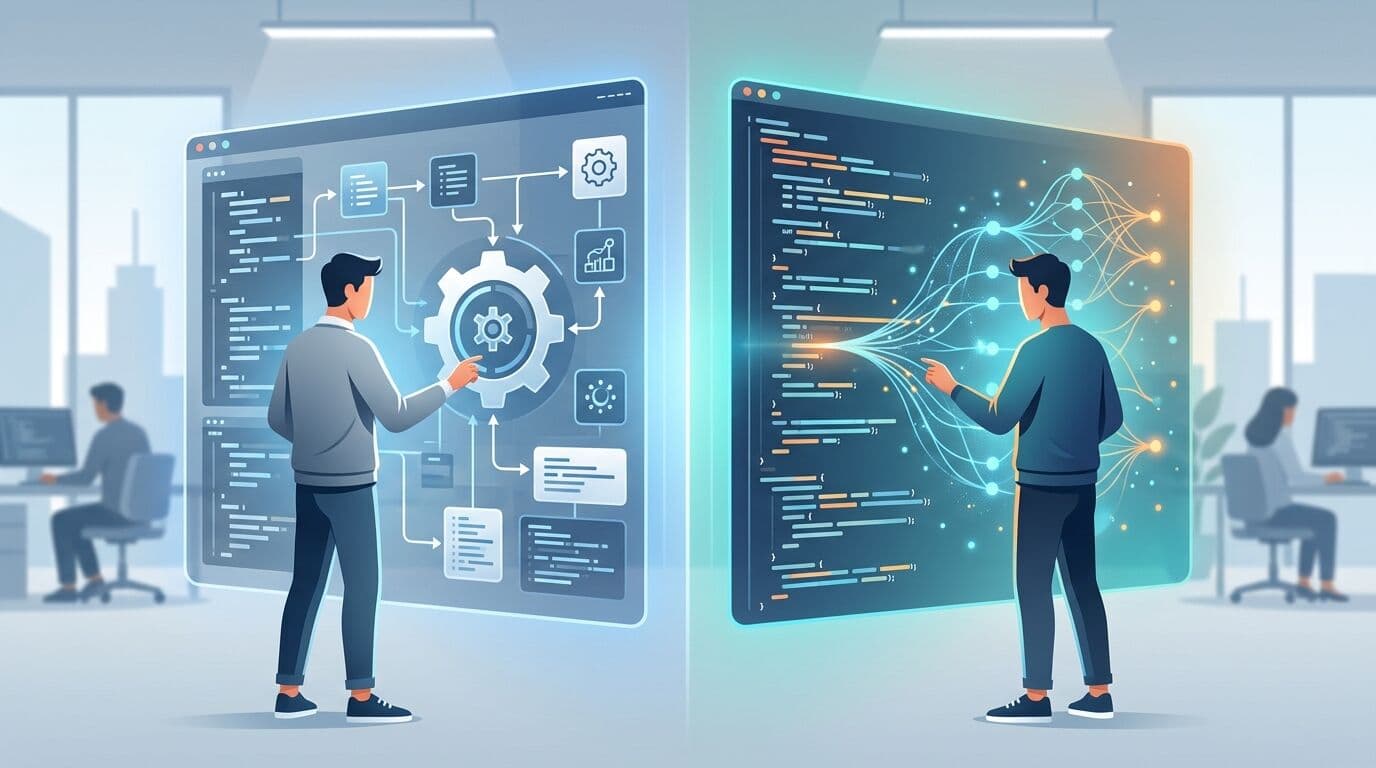
The large language model acts as an automated red-teaming sparring partner for OpenAI's other models, replacing what is typically a human-led security evaluation process.
OpenAI has developed a large language model (LLM) called GPT-Red that automates red-teaming — a security evaluation technique in which testers try to find as many ways as possible to break or hijack a system — to stress-test its own AI models against cyberattacks [1].
Red-teaming is typically carried out by teams of human security researchers [1]. By automating that process, OpenAI is using GPT-Red as an internal sparring partner: the system probes its other models for weaknesses so those models can strengthen their defenses [1].
OpenAI gave MIT Technology Review an exclusive look at the system, framing it as a tool that could help the company stay ahead of real-world human attackers [1].
Other AI Moves in Brief
Thinking Machines, the startup founded by former OpenAI chief technology officer Mira Murati, has launched its first AI model [1]. The open-weight model, called Inkling, is being positioned as a US-based alternative to open-source models from China, according to reporting cited by MIT Technology Review from Reuters and The Wall Street Journal [1].
Separately, a hack of AI music generator Suno revealed that the company scraped decades’ worth of music from platforms including YouTube and Deezer to train its models, according to 404 Media reporting cited by MIT Technology Review [1].
On the infrastructure side, an FTC (Federal Trade Commission) filing revealed that Elon Musk quietly acquired APR Energy, a fossil fuel gas turbine company valued at roughly $1 billion, in May [1]. The most likely use case, according to Engadget reporting cited by MIT Technology Review, is powering AI data centers [1].
Thinking Machines has not publicly detailed Inkling’s benchmark performance or availability terms beyond the open-weight designation [1].
Sources
This article was drafted with AI from the cited sources and checked against them before publication. Spot an error? Let us know.